When your Xbox games keep crashing, that sudden freeze or unexpected return to the dashboard isn’t just annoying—it’s a massive disruption to your gaming flow. It turns an immersive experience into a frustrating debugging session. But understanding why your Xbox games keep crashing is the first, most crucial step to getting back to uninterrupted gameplay. It’s rarely a single culprit; often, a combination of factors conspires against your console, from minor software glitches to more serious hardware murmurs.
At a Glance: Understanding and Fixing Crashes
- Multifaceted Causes: Crashes stem from software bugs, overheating, storage issues, network instability, or rare hardware faults.
- Systematic Troubleshooting: Start with simple fixes like restarts and updates before moving to storage management and reinstallation.
- Preventative Maintenance: Regular updates, proper ventilation, and efficient storage management significantly reduce crash frequency.
- Hardware as a Last Resort: Persistent crashes after extensive software troubleshooting might signal a hardware issue requiring professional support.
- Quick Resume Caveats: While convenient, Quick Resume can sometimes lead to instability for certain games; a full restart often helps.
The Frustration of a Frozen Screen: Decoding the ‘Why’ Behind Xbox Crashes
Every gamer has been there: you’re deep into an epic boss fight, about to land a game-winning shot, or just enjoying a quiet moment in your favorite open world—then poof. The screen freezes, the game quits, or your Xbox simply shuts down. This isn’t just bad luck; there’s always a reason. Identifying that reason is key to moving past the annoyance and back into the action. It’s about looking at your console, your games, and even your network connection with a diagnostic eye.
Software Snags: When Your Xbox OS or Game Code Hits a Wall
One of the most frequent reasons your Xbox games keep crashing comes down to software—either the game itself or the Xbox operating system (OS). Think of it like a computer program hitting an unexpected error.
Xbox OS and Game-Specific Bugs
Even the most polished software can have glitches. New game releases, especially massive open-world titles, often come with bugs that cause instability. These bugs might trigger crashes in specific areas, during certain actions, or after prolonged play. Similarly, issues within the Xbox operating system itself, while less common, can lead to widespread instability across multiple games.
- Example: Remember the early days of certain highly anticipated games? They were notorious for crashing in specific zones or during complex combat sequences. Developers usually fix these with patches, highlighting the importance of updates.
- The Fix: This is why keeping both your Xbox OS and all installed games updated is paramount. Developers and Microsoft constantly release patches to squash these bugs, improving stability.
The Quick Resume Conundrum
Quick Resume is a fantastic feature on the Xbox Series X, letting you jump back into multiple games almost instantly. However, this convenience sometimes comes with a hidden cost. For some games, especially after a patch or a long period in Quick Resume, the suspended state can become corrupted, leading to crashes when you try to re-enter. The game essentially “wakes up” into an unstable environment.
- Practical Tip: If a game frequently crashes after using Quick Resume, try fully quitting the game from the dashboard before launching it. This forces a fresh start, often bypassing the corrupted state.
Heatstroke for Your Console: Overheating as a Crash Culprit
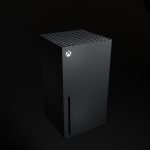
Your Xbox Series X is a powerful machine, generating a fair amount of heat during operation. It’s designed to dissipate this heat effectively, but if conditions aren’t ideal, overheating can quickly become a serious problem that causes crashes. The console might throttle performance, freeze, or even shut down completely to protect its internal components.
Why Heat Leads to Instability
Excessive heat can cause internal components (like the CPU or GPU) to malfunction. When these vital parts get too hot, they start making errors, which the system interprets as a critical failure—hence, a crash or shutdown.
- Signs of Overheating: Your console feels unusually hot to the touch, the fan spins loudly and constantly, or the system experiences unexpected shutdowns, sometimes without warning.
- Preventative Measures:
- Placement: Ensure your Xbox has ample space around it, ideally at least 4-6 inches on all sides, especially around the vents. Avoid placing it inside enclosed cabinets or stacked with other electronics.
- Clean Vents: Dust is an insulator. Over time, dust buildup can block the vents and accumulate inside the console, trapping heat. Regularly clean the exterior vents with a soft cloth or use compressed air (in short bursts, holding the can upright) to gently clear dust. Never stick anything into the vents.
- Ambient Temperature: While less common, operating your console in an unusually hot room can also contribute to overheating.
Storage Struggles: Corrupted Files and Overstuffed Drives
Your games and save data are stored on internal or external drives. If these files become corrupted or the drive itself encounters issues, it can directly lead to crashes. This is a common reason why your Xbox games keep crashing, and thankfully, it’s often fixable.
Full Drives and Fragmented Data
A nearly full drive, especially an older HDD, can lead to performance degradation and, in some cases, crashes. While modern SSDs handle fragmentation better, a drive with insufficient free space can struggle to manage game data efficiently, especially during complex loading sequences. Corrupted game files or save data are even more direct culprits. A game might crash because it’s trying to access a crucial file that’s damaged or incomplete.
- Case Snippet: A user trying to launch a specific game consistently encountered crashes. After checking their storage, they found the internal SSD was nearly full, and upon moving the problematic game to an external SSD, the crashes stopped. Later, clearing space on the internal drive resolved the issue completely for all games.
- Actionable Steps:
- Clear the Cache: A full cache can sometimes cause game and system instability. Performing a full power cycle by holding the Xbox button for 10 seconds, unplugging the power cord for a few minutes, then reconnecting and powering on, effectively clears the system cache.
- Free Up Space: Delete games or apps you no longer play. Go to “My Games & Apps,” select a game, press the Menu button, then “Manage game & add-ons,” and “Uninstall all.”
- Reinstall Problematic Games: If a specific game keeps crashing, its installation files might be corrupted. Uninstalling it completely and then reinstalling it from scratch (either digitally or from disc) can often resolve this.
- Move Games Between Drives: If you use an external drive, try moving the crashing game to the internal SSD, or vice versa. This helps determine if the issue is with a specific drive or the game itself. Ensure external drives are USB 3.0 compatible and functioning correctly.
Network Niggles: The Unseen Connection Breaking Your Game
For online multiplayer games, a stable internet connection is paramount. Even if your console isn’t technically “crashing,” connection drops or severe latency issues can kick you out of a game, making it feel like a crash. This can be especially frustrating when your local connection seems fine for other activities.
Unstable Connections and Latency Spikes
Online games are constantly exchanging data with servers. If your internet connection is unstable, experiences frequent drops, or has high latency (delay), the game might lose sync with the server. Many games are programmed to either pause or exit if this connection is lost, often throwing you back to the dashboard or login screen.
- Troubleshooting:
- Test Your Connection: Use the Xbox’s built-in network test (Settings > General > Network settings > Test network speed & statistics) to check your NAT type, download/upload speeds, and latency.
- Restart Your Router/Modem: A simple power cycle of your network equipment can often resolve transient connection issues.
- Wired Connection: If possible, connect your Xbox directly to your router with an Ethernet cable. This provides the most stable and fastest connection, eliminating Wi-Fi interference.
- Check for ISP Issues: If problems persist, contact your Internet Service Provider to check for any outages or issues in your area.
Hardware Headaches: Rare but Serious Internal Faults
While less common, sometimes the problem lies with the Xbox Series X’s physical components. These are typically harder to diagnose without specialized tools and often require professional intervention.
Power Supply and HDMI Issues
A faulty power supply unit (PSU) can lead to insufficient power delivery to the console, causing instability and crashes. While the Series X has an internal PSU, issues with the power cable or the outlet itself can mimic PSU problems. Similarly, a damaged HDMI cable or port can cause display issues, which in extreme cases, might lead to the console freezing or misbehaving.
- Checklist:
- Ensure the power cable is securely connected to both the Xbox and the wall outlet.
- Try a different power outlet.
- Inspect your HDMI cable for damage and try a different cable if possible.
- Ensure the HDMI port on your Xbox and TV are clean and free of debris.
Internal Component Failure
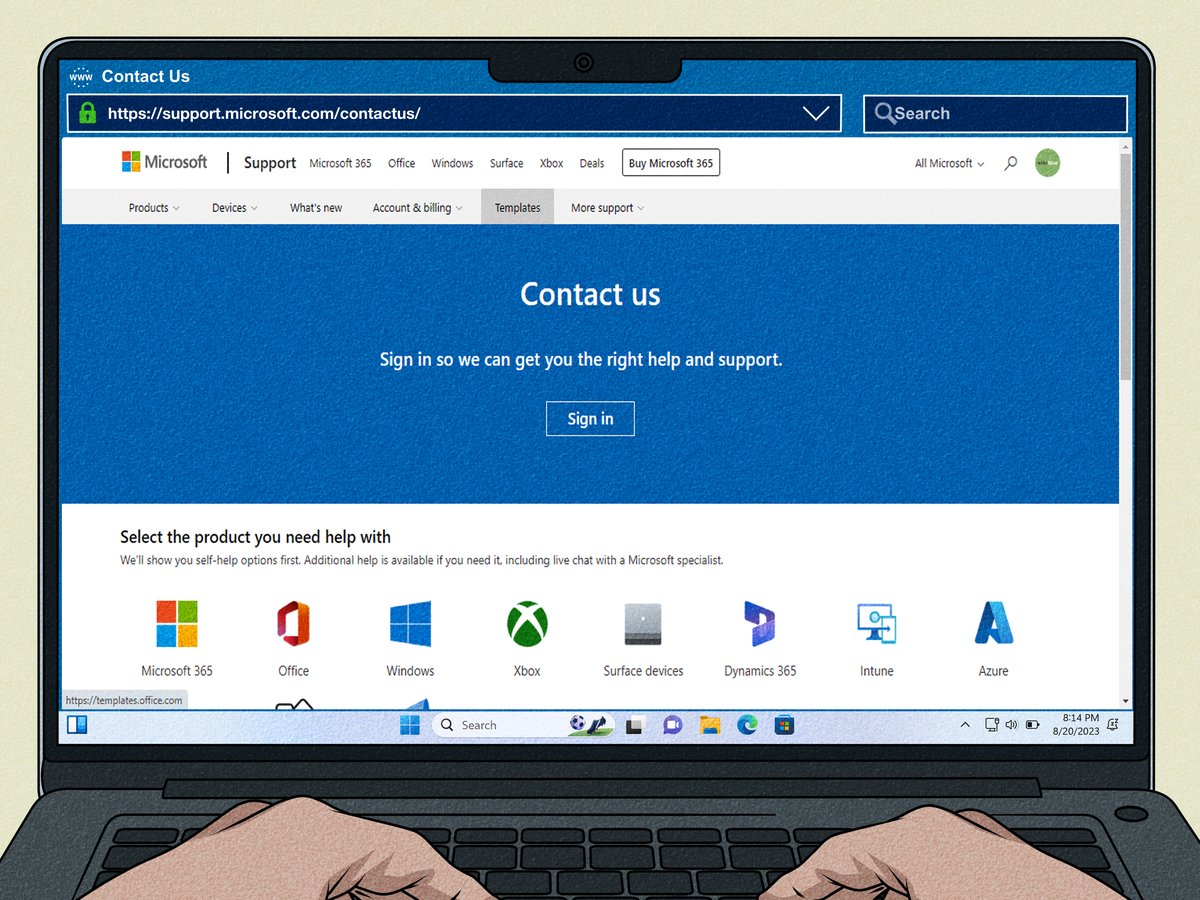
In rare instances, an internal component like the console’s motherboard, SSD, or GPU might fail. This is usually indicated by consistent, widespread crashes across all games, often accompanied by unusual visual artifacts (e.g., green screens, distorted graphics), strange noises, or a complete inability to boot the console. This scenario almost always necessitates contacting Xbox Support.
The Troubleshooting Playbook: Your First Steps to Stability
When your Xbox games keep crashing, don’t panic. Follow this systematic approach to identify and resolve the problem.
- Perform a Full Power Cycle: This is your go-to first step for almost any Xbox issue. Hold the Xbox button on the console for 10 seconds until it completely shuts down. Unplug the power cord from the back of the console for 30 seconds to 5 minutes. Plug it back in and power on your Xbox. This clears the system cache and can resolve many temporary glitches.
- Check for All Updates:
- Xbox OS: Go to
Settings > System > Updates & downloads. Ensure “Keep my console up to date” is checked, and manually check for any pending updates. - Games: Go to
My Games & Apps > Games. Any games with pending updates will usually be listed. You can also manually check individual games by highlighting them, pressing the Menu button, and selecting “Manage game & add-ons.”
- Manage Your Storage:
- Free Up Space: If your internal drive is nearing capacity (above 85-90% full), consider deleting games you don’t play.
- Reinstall Troublesome Games: If a specific game is the main culprit, uninstall it completely (from “Manage game & add-ons”) and reinstall it.
- Move Games Between Drives: If you use an external drive, move the crashing game to the internal SSD. If it stops crashing, the external drive might be the issue. If it continues to crash, the problem is likely with the game files themselves.
- Monitor Your Xbox’s Environment:
- Ventilation: Confirm your Xbox Series X has at least 4-6 inches of clear space around all its vents.
- Dust: Gently clean any visible dust from the vents using a soft cloth or compressed air (from a safe distance).
- Test Your Network: For online games, run the network test in
Settings > General > Network settings. Check for a stable connection, decent speeds, and an open or moderate NAT type. Consider a wired Ethernet connection if you’re on Wi-Fi. - Verify Power and Cables: Ensure all power and HDMI cables are securely connected and free of damage. Try different outlets or cables if you suspect an issue.
- Factory Reset (As a Last Resort): If all else fails, a factory reset can resolve deep-seated software corruption.
- Go to
Settings > System > Console info > Reset console. - Choose “Reset and keep my games & apps” first. This reinstalls the OS but preserves your installed games, saving you download time. Your accounts and settings will be removed.
- If crashes still persist, “Reset and remove everything” is the final software-based solution, completely wiping your console. Back up any essential local saves if you use this option (though most saves are cloud-synced).
Beyond the Basics: Specific Scenarios and Pro Tips
Sometimes, the general fixes aren’t enough. Here’s a look at more nuanced situations.
Quick Resume Deep Dive: When Convenience Fails
While Quick Resume is generally excellent, specific game engines or recent updates can create conflicts. If you notice crashes primarily happening when you jump back into a game via Quick Resume, make it a habit to fully quit that game from the dashboard (Menu button > Quit) before you finish your session or switch to another title. This ensures the game launches fresh each time, minimizing potential instability.
Game-Specific Known Issues
Not all crashes are your console’s fault. Some games, especially right after launch or a major update, might have known bugs that cause crashes for many players.
- Pro Tip: If a particular game is consistently crashing, do a quick online search for “[Game Title] Xbox Series X crashes” or check the game developer’s official forums or social media. You might find that it’s a widespread issue awaiting a patch, or discover workarounds suggested by the community. Reporting the issue through the Xbox’s “Report a problem” feature (hold the Xbox button, select “Report a problem”) also helps developers track and fix bugs.
External Drive Troubleshooting
External storage is fantastic for expanding your game library, but it introduces another potential point of failure.
- Compatibility: Ensure your external drive meets Microsoft’s recommendations (USB 3.0 or faster, 256GB+).
- Connection Stability: Make sure the drive is securely connected. A loose connection can interrupt data flow and cause crashes.
- Drive Health: While Xbox doesn’t offer direct drive health checks, moving games between internal and external storage can help isolate if the external drive itself is faulty. If a game only crashes when on the external drive, consider formatting the drive or replacing it.
Common Crash Questions: Quick Answers for Your Peace of Mind
Why do my Xbox Series X games keep crashing after an update?
Game or system updates, while intended to fix issues, can occasionally introduce new bugs or conflicts, especially if the previous installation had minor corruption. If crashes start right after an update, try a full power cycle, clear the cache, or even reinstall the specific game. Also, check online forums for similar reports, as it might be a known issue with the new update.
Can external hard drives cause Xbox games to crash?
Yes, absolutely. An incompatible, faulty, or improperly connected external hard drive can cause game files to corrupt or fail to load correctly, leading to crashes. Always use recommended USB 3.0+ drives and ensure a stable connection. If you suspect your external drive, try moving the problematic game to the internal SSD.
Is it bad if my Xbox Series X crashes a lot?
Occasional crashes (e.g., once a month for a specific buggy game) are usually nothing to worry about. However, if your Xbox Series X crashes frequently across multiple games, it indicates a significant underlying issue (software corruption, overheating, or a hardware fault) that needs immediate attention to prevent potential long-term damage or data loss.
When should I factory reset my Xbox?
A factory reset is a powerful troubleshooting step, best reserved for persistent issues that haven’t been resolved by simpler methods like power cycling, updates, or game reinstallation. It’s often effective for deep software glitches. Start with the “Reset and keep my games & apps” option first to minimize re-downloading.
How often should I clean my Xbox Series X?
A light external cleaning of the vents every 1-2 months is a good habit, especially if you live in a dusty environment or have pets. Use compressed air gently and sparingly for a deeper clean every 6-12 months, always ensuring the console is off and unplugged. Prevention of dust buildup is key to maintaining optimal cooling.
Getting Back in the Game: Your Path to Stability
Understanding why your Xbox games keep crashing is truly the first step toward a solution. By systematically investigating software, environmental factors, storage, and network conditions, you can often pinpoint the root cause yourself. Most crashes are software-related and solvable with updates, cache clears, or game reinstalls.
Always start with the simplest solutions: a full power cycle and checking for updates. Then, move to storage management, network checks, and environmental considerations. Only after exhausting these software and user-manageable options should you consider a factory reset or contacting Xbox Support for potential hardware issues. By being proactive and systematic, you’ll spend less time troubleshooting and more time enjoying your favorite games without interruption.

- Why Does My Xbox Games Keep Crashing Common Issues Explained - April 1, 2026
- How to Fix Your Xbox Series X Freezes and Crashing Issues - March 31, 2026
- Xbox Series S Crashing? Heres How to Fix It - March 30, 2026